
🍞 Sourdough — Alive in the Hands
There is something profoundly honest about sourdough.
No commercial yeast rushing the process.
No shortcuts.
Just flour, water, salt, and time — and a living culture that responds to care.
When I teach the bread workshop, I tell the students this first:
You are not making bread.
You are tending life.
“Know ye not that a little leaven leaveneth the whole lump?”
— 1 Corinthians 5:6 (KJV)
A little leaven changes everything.
🌾 The Simple Same-Day Sourdough (Workshop Recipe)
This is the formula we use in class — straightforward, strong, and forgiving.
Ingredients
Main Dough
- 460 g bread flour
- 340 g water
- 9 g salt
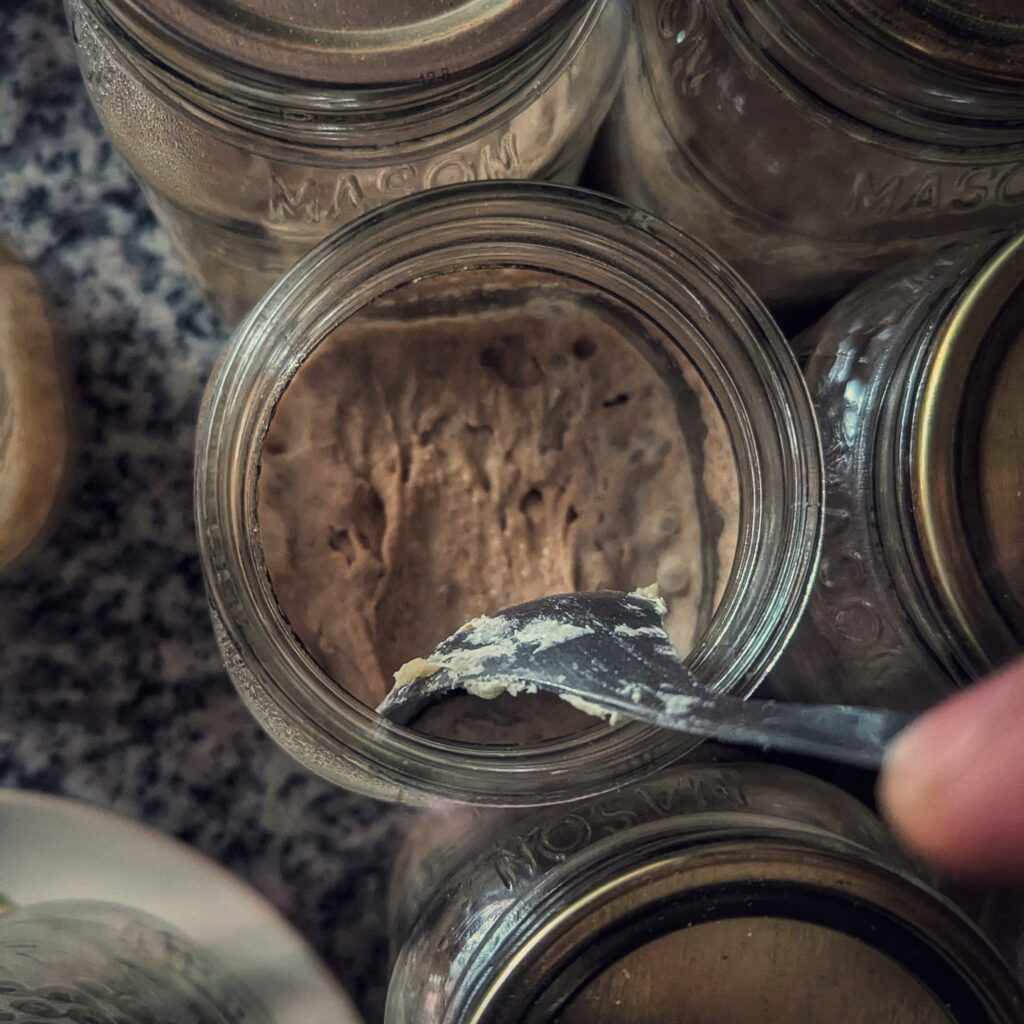
- 92 g ripe sourdough starter
(That’s roughly 74% hydration, for those who like the math — wet enough for openness, strong enough to shape.)
🥣 Method — The Rhythm of It
1️⃣ Mix
Combine flour and water first.
Let it rest 20–30 minutes (this is called the autolyse — flour hydrating, gluten quietly forming).
Add starter and salt. Mix until cohesive.
2️⃣ Develop Strength
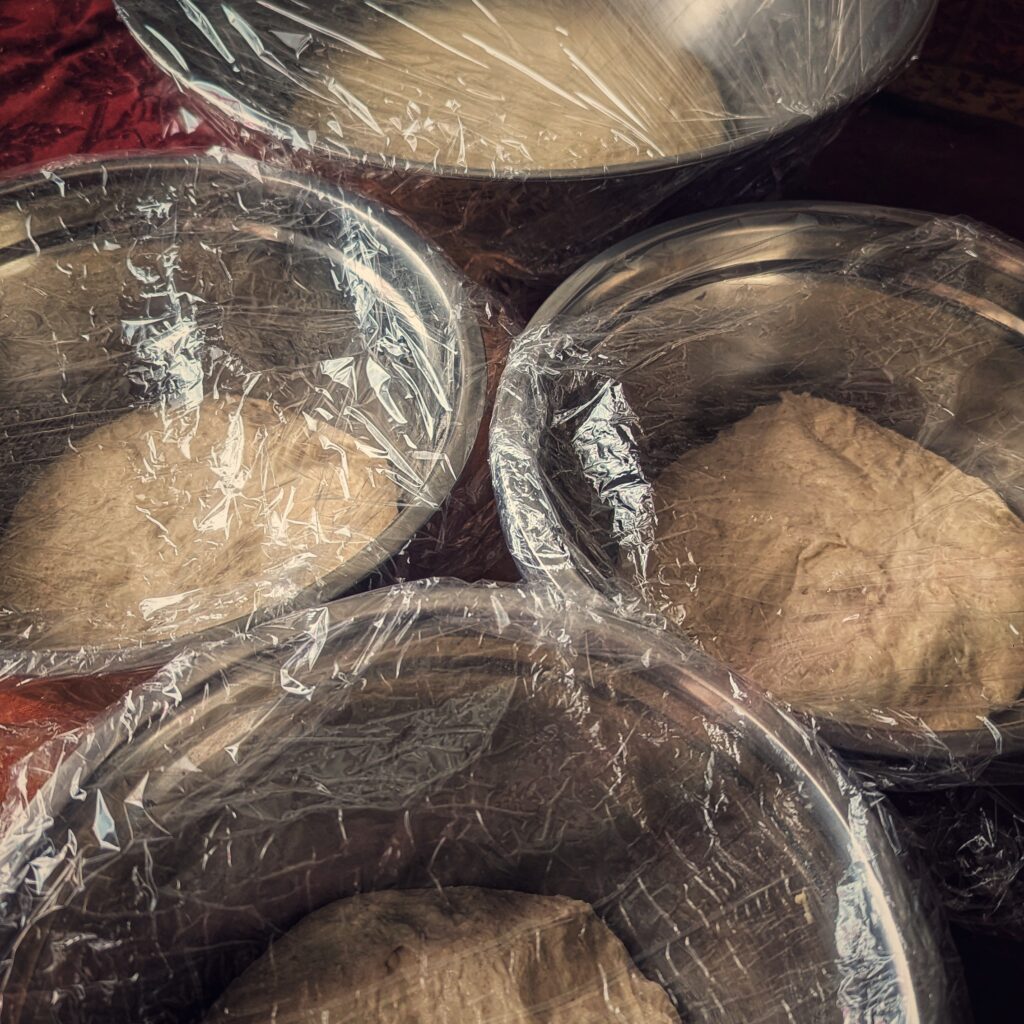
Over the next 2–3 hours, perform stretch and folds every 15-30 minutes. To a maximum of six times. Then let the dough rest, covered for the remainder of the time.
The dough will change in your hands.
From shaggy… to elastic… to alive.
These stretch and folds happen over a period known as the “Bulk Ferment”.
The Windowpane Test
Take a small piece of dough and gently stretch it.
If it stretches thin enough to see light through it without tearing, the gluten is developed.
That thin membrane is structure.
It is what allows the bread to rise and hold air.
3️⃣ Bulk Fermentation
Let the dough rise after finishing the sixth stretch and fold at room temperature until slightly puffy and aerated.
Not doubled. Not rushed. Just alive.
4️⃣ Shape
Turn the dough onto a lightly floured surface.
Pre-shape. Rest 15–20 minutes.
Then final shape into a tight round or oval.
Place seam-side up into a floured banneton or towel-lined bowl.
5️⃣ Final Proof
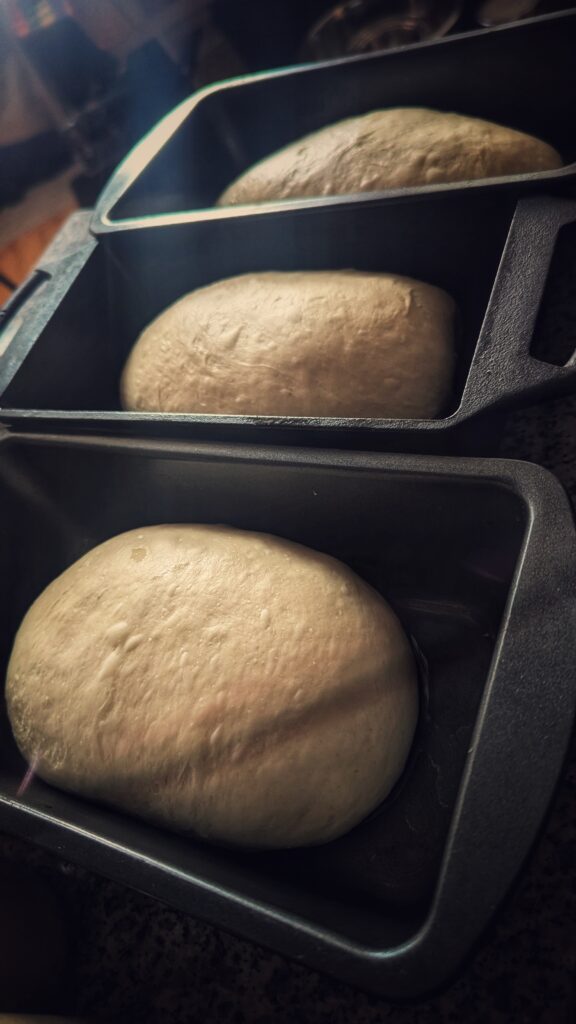
Let it proof at room temperature for 1–2 hours
—or refrigerate overnight for deeper flavor.
Cold fermentation slows everything down.
Slowing down is often the point.
6️⃣ Bake
Preheat oven to 475°F with a Dutch oven inside.
Score the loaf decisively.
Bake covered 20 minutes.
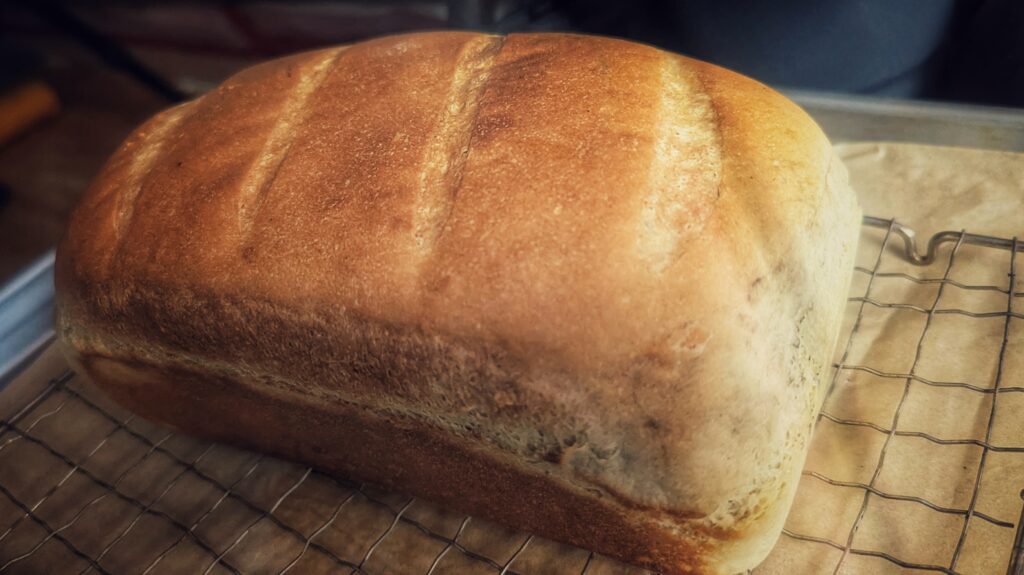
Uncover and bake another 20–25 minutes until deep golden brown.
Let cool at least one hour before slicing.
That last hour may be the hardest discipline of all.
🍞 Why Sourdough?
Beyond flavor and texture, sourdough offers:
- Improved digestibility
- Reduced phytic acid (better mineral absorption)
- Natural fermentation
- Longer shelf life
- Lower glycemic response compared to commercial yeast bread
But the benefits go deeper than nutrition.
It teaches patience.
It teaches observation.
It teaches humility.
You cannot command sourdough.
You cooperate with it.
“Be still before the Lord and wait patiently for Him.”
— Psalm 37:7
Bread rewards those who wait.
🌿 What I Love Most About Teaching It
When students pull their first loaf from the oven, something shifts.
They realize they are capable of sustaining themselves. Of feeding others.
That’s not just baking.
That’s restoration.
In a world that moves fast and consumes faster, sourdough calls us back to something older — slower — truer.
Flour. Water. Salt. Culture.
Life.
The culture you tend will shape what rises.